- Marketing Archive
- Posts
- STORY APPEAL: DAVID OGILVY'S FAVOURITE HACK
STORY APPEAL: DAVID OGILVY'S FAVOURITE HACK
A simple trick to many your marketing campaigns more memorable...

Niall Ratcliffe
January 11, 2026
In partnership with

Morning!
Yet another week down, and I’m still yet to rebrand this newsletter. All of the pieces are in place, the roadmap is planned, I just need a new name. But I’m drawing a line in the sand. The next time you open this email, I’ll have a new name and a new website. Feel free to berate me if not.
For now, let me show you one of my favourite pieces of marketing advice that I wish more marketers would take notice of. Oh, and it’s from the infamous ‘Father Of Advertising’, Mr. David Ogilvy.
Let’s get into it!
THE ESSAY
In the 1980s, talk show host David Letterman was the talk of the town in the U.S., and he was having all of the big stars on.
Cher
Madonna
Jerry Seinfeld
Bill Murray
And… David Ogilvy - an advertising man from New York.
Letterman started the interview by asking him about the campaigns he’d run for brands like Dove and Shell. Then, 61 seconds into the interview, Ogilvy dropped a simple insight that has shaped my marketing career ever since.
Letterman asks him: “What was going through your mind to think that a man missing an eye would be a good way to sell dress shirts?”
(Referring to the eye patch ad he ran for Hathaway Shirts)

Ogilvy replies, “I’d seen some research which showed that if you can inject into the ad an element of story appeal, people read the ad. They look at that, and they say, "Who is this man with the eye patch?" That takes about a tenth of a second, and their curiosity is piqued. So then they go under the picture and read the copy - and that’s how you sell the shirts.”
After the first ad ran in The New Yorker, every single Hathaway shirt in New York City sold out in less than 7 days. Ogilvy went on to explain to Letterman that the eye-patch idea was so successful that they ran the campaign for 19 years - making Hathaway a household name.
Quite crazy, isn’t it? That an addition of an eye patch can turn an ad into one of the most successful advertising campaigns of the century. But that’s the story appeal. It’s a simple way to make any piece of marketing dramatically more memorable.
Today, a brand wants to launch a new jumper? They throw Kendall Jenner in it.

A brand wants to launch a football boot? They pay Saka to wear them.

This is the kind of stuff that would have Ogilvy turning in his grave. There’s no story appeal, nothing interesting, nothing memorable. Next year, Kendall Jenner will be wearing someone else’s jumper and Saka will be wearing whichever brand cuts him the biggest cheque.
That’s not building a brand, that’s not marketing. That’s throwing a ludicrously large budget at the wall and hoping something sticks.
So what does Ogilvy’s story appeal look like in the modern age? And how can we use it?
Well, we should probably start by defining it. When I asked Gemini for a definition, it told me:
Story Appeal is a creative technique where a visual or headline creates a "curiosity gap" that forces the viewer to wonder what is happening.
Like when you want to launch a new water brand and decide to ignore the common trend of using scenic mountains and glaciers…

And instead add skulls to the can, theme everything like a death metal brand and use the headline, ‘Murder Your Thirst’.
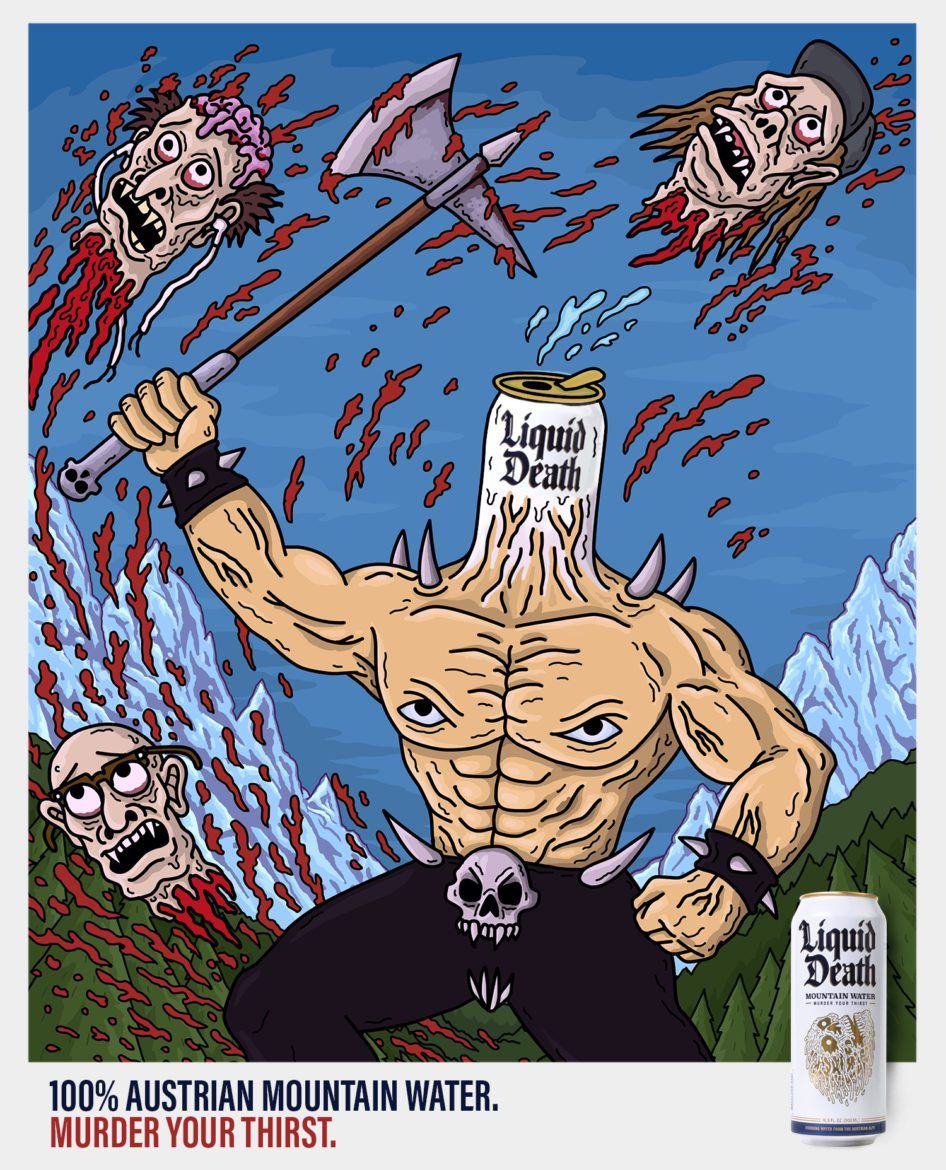
That’s story appeal.
Or when an electric car company ignores the rest of the market, which are attempting to make their cars blend in and look like petrol cars…
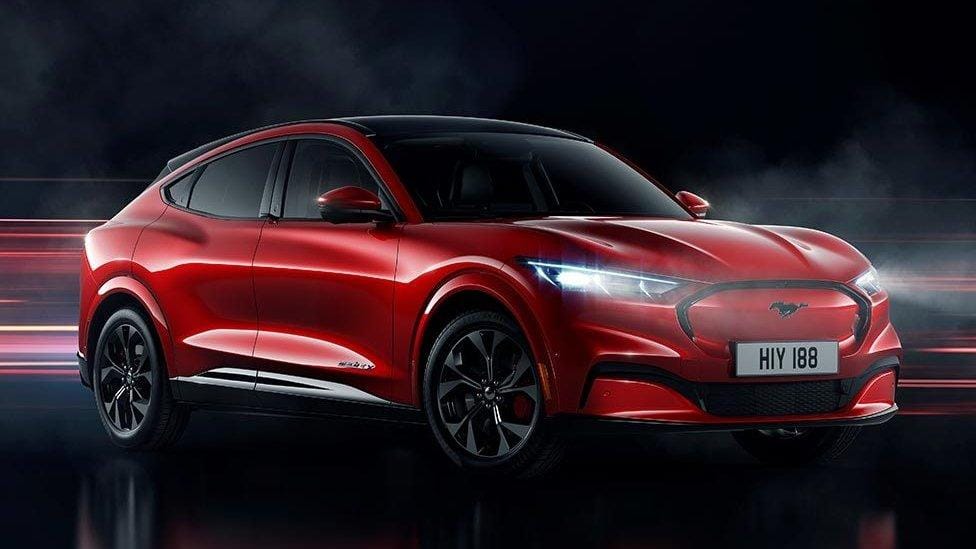
And instead design a truck that looks more like something out of a Star Wars film or a NASA vehicle built to traverse the moon.

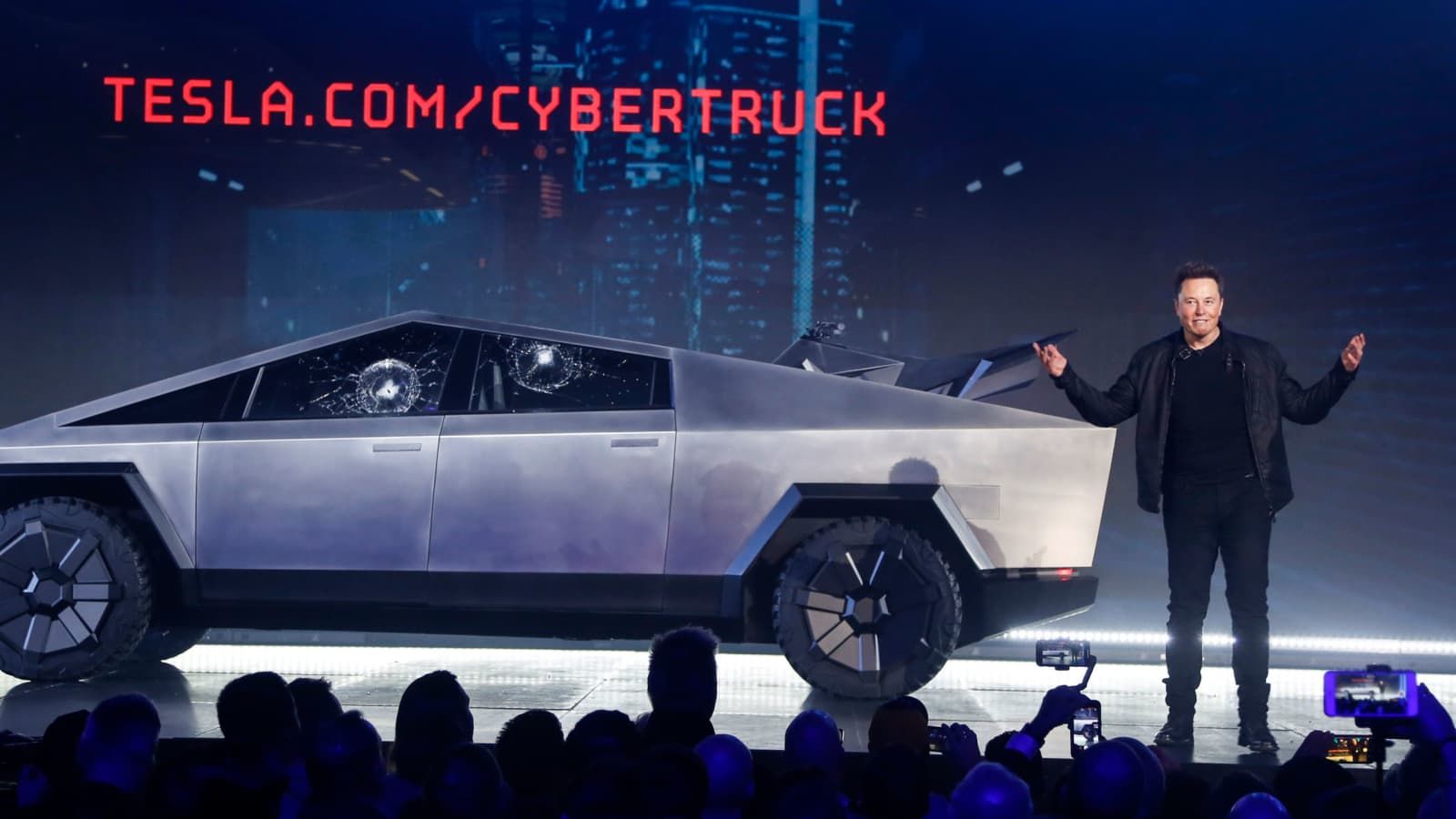
That’s story appeal.
Or when a sales trainer ignores the traditional advice of pitching yourself as the best salesperson in the world…
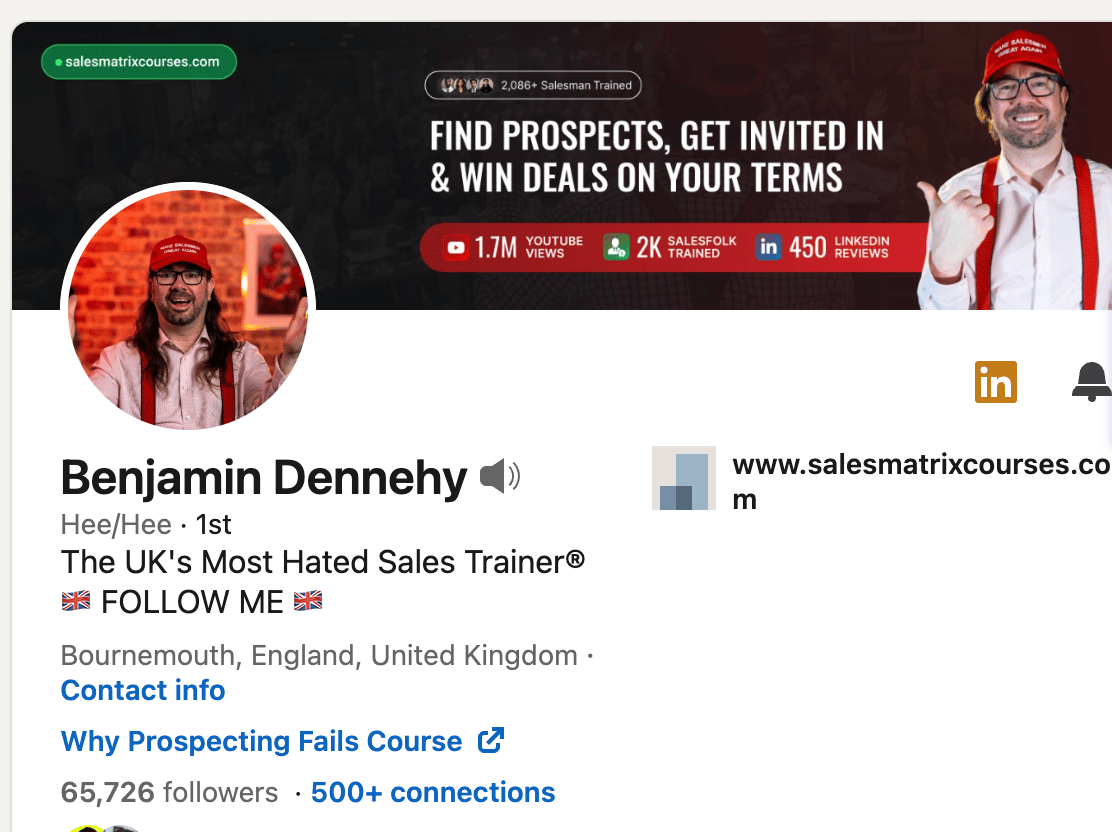
And instead calls himself ‘The UK’s Most Hated Sales Trainer’.
That’s story appeal.
But why bother spending so much time and creative energy trying to add story appeal to your marketing campaigns this year?
Well, let’s do a little test. Name another footballer who wears New Balance football boots right now? Or one who wears Under Armour boots? Unless you’re some sort of football boot nerd, I am guessing you came up blank like I did.
Or what about Volvo’s new electric car? Or the name of BMW’s brand new electric car? I honestly don’t even know if Volvo have an electric car?
But guess what, we’ve all heard of the Cyber Truck, we’ve all heard of Liquid Death, and now you’ll remember that guy who calls himself ‘The most Hated Sales Trainer’.
Because yes, marketing is about sales. But marketing is also about being memorable, and when it comes to being memorable, the best story wins.
David Ogilvy told us that 43 years ago, and it’s probably time we started listening to him.
Right, that’s all I’ve got for you this week. Next week I’m coming at you with a new name for this newsletter!
In the meantime, please do reply to this email and let me know what you thought of this breakdown. I’m not a robot, I talk back. It also helps deliverability :)
Until next Sunday,
— Niall
P.S. Are you against rating this week’s email?
Just hit an option. It takes 2 seconds! |
BROUGHT TO YOU BY
Banish bad ads for good
Google AdSense's Auto ads lets you designate ad-free zones, giving you full control over your site’s layout and ensuring a seamless experience for your visitors. You decide what matters to your users and maintain your site's aesthetic. Google AdSense helps you balance earning with user experience, making it the better way to earn.