- Marketing Archive
- Posts
- SELF-ADMISSION: THE EASIEST WAY TO BUILD TRUST
SELF-ADMISSION: THE EASIEST WAY TO BUILD TRUST
Bill Bernbach's simple method for building trust in advertising...

Niall Ratcliffe
February 01, 2026
Morning!
How are we in February already? I was hoping time would slow down in 2026, safe to say it hasn’t.
Anyway, this week I'm going to share a snippet from one of my favourite videos on the internet. There's a crucial piece of advice mentioned 90 minutes in, and I want to show you how that simple one-liner has been behind some of the most successful marketing campaigns of all time.
If you’ve never heard of Bernbach or David Abbott, you’ll remember them after this.
Let’s get into it!
Brought To You By…

Want to get the most out of ChatGPT?
ChatGPT is a superpower if you know how to use it correctly.
Discover how HubSpot's guide to AI can elevate both your productivity and creativity to get more things done.
Learn to automate tasks, enhance decision-making, and foster innovation with the power of AI.
The Essay
3 years ago, I was desperately hunting for inspiration before writing one of my newsletters. I was scrolling through YouTube, trying to find anything useful about marketing, when I stumbled upon a video called 'David Abbott Said'.
“Ahh, David Abbott”, I thought, “He’s the copywriter behind The Economist ads, this is perfect.”

One of his infamous Economist ads
Then I saw the view count…

It had less than 1000 views (at the time), and had been posted by a mysterious “Leung Ellery” with a flattering 6 subscribers. It didn’t seem promising. But I was desperate to write about something, so I hit play and hoped for the best.
1 hour later, I was still watching the video. It was a simple interview, but Abbott was dropping gem after gem around copywriting and how to think about advertising. Then, about 70 minutes in, he dropped this beautiful passage about Bill Bernbach, which I’ve been thinking about ever since…
“Bill Bernbach once said that 'a small admission gains a large acceptance,' and I think that’s a very powerful thought. It’s why, if I were making a speech, I would always start with a self-deprecating story or two. It signals that you aren't there to deliver fifteen minutes of bombast.
“A small admission gains a large acceptance.”
It’s quite ironic, isn’t it? Because nowadays, when marketers go to create an ad, they sit in a room and think of the cleverest way to tell everybody that their product is the best.
McDonald’s will tell you they’ve got the “tastiest” food…

Or they’ll tell you their burgers are “Big, beefy, bliss”.

And KFC will tell you their chicken is “finger-licking good”

Yet what Abbott is explaining in the video is that humans are naturally sceptical when someone tells them their product is fantastic. That, instead, the easiest way to convince someone that your product is great, is to first admit that it isn’t perfect.
Just like Bill Bernbach did when he launched one of the most successful ad campaigns of all time for Avis that centred around the fact that they were the 2nd best in their industry…

At the time the campaign went live, Hertz was the undisputed king of the rental car market. Avis was bleeding money and struggling to stay relevant. In that situation, most marketers would’ve been scrambling to tell the world how great Avis’ cars were or how affordable their prices were. Instead, Bernbach used a little bit of self-admission and it completely turned the company around.
The year before the campaign, Avis made a $3.2 million loss and held a modest 11% market share. 2 years after the campaign, they were making a $1.2 million profit and captured 35% of the market - significantly narrowing the gap with the industry leader, Hertz.
This made it one of the greatest ad campaigns of all time.
But this isn’t something only Avis has used. This is a tactic the best marketers have been using for centuries. Take Buckley’s cough syrup tagline, it’s the perfect example of this in action…

Buckley’s was invented in 1919. For decades, the company marketed itself like any other cough syrup. Then, in 1985, the brand changed its tagline to "It Tastes Awful. And It Works." and started running ad campaigns around its terrible taste.
The impact?
Prior to the campaign, in the 1980s, they were doing ~$2M/year in revenue and ranked 8th in their category. By the 90s, they were doing $15M/year in revenue and the #1 ranked category leader in Canada.
Again, all because of a little bit of self-admission.
It's all well and good me telling you that shouting your product's flaws from the rooftops might help you sell more, but why does it actually work?
Well, the easiest way to explain why it works is by telling you about what psychologists call ‘The Pratfall’ effect. By definition, it’s where ‘highly competent individuals become more likeable and relatable after committing a minor blunder or showing a flaw.’
AKA we like people more when they aren’t perfect.
It’s why the UK public loved Susan Boyle when she kept getting photographed looking bedraggled in her dressing gown.

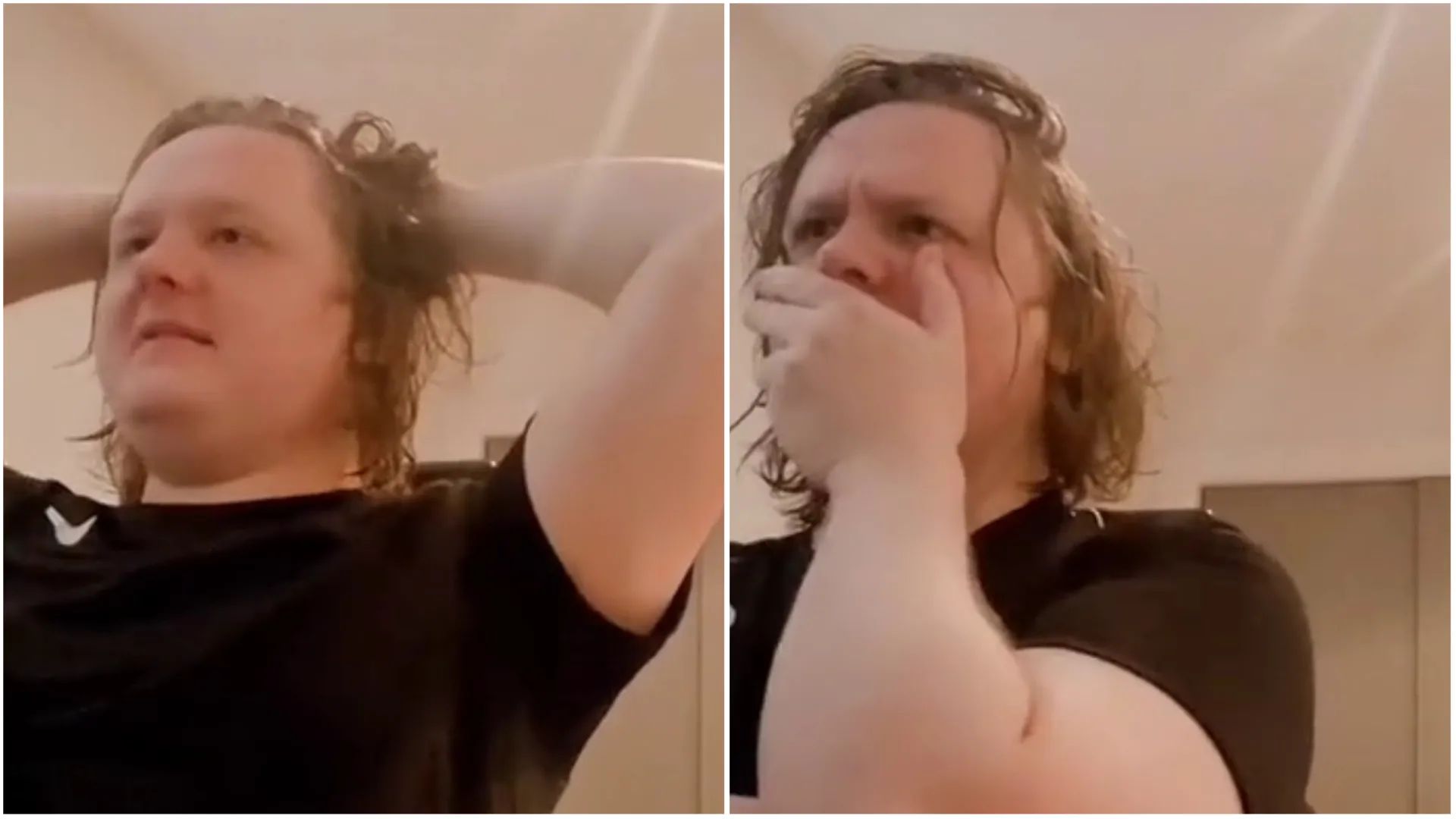
Or why Lewis Capaldi’s fame skyrocketed after a documentary was released showing his troubles with fame, tourettes, and creating music.
Or why studies have shown that 66% of people will choose a misshapen cookie over a perfectly round one.

We just hate perfection, in people and in products. What's more, it's much easier to accept and believe that some 50-year-old Scottish woman has the voice of an angel when you see her standing there in a blue and white starry dressing gown. Or that your cough syrup actually works when it tastes like sh*t. Because if it had to taste this bad, it must mean all the other stuff about it is good… right?
So while it’s easy to fall into the trap of using your marketing to tell the world how great your product is, you’d probably be better off starting with a few flaws.
That’s all I’ve got for you this week. I hope you have an awesome week! Remember to reply to this email with your thoughts. I am human, I will reply :)
Until next Sunday,
— Niall
P.S. Take a second to rate this week’s breakdown below. Takes 2 seconds, but helps me know what to write about :)
Thoughts on this week's breakdown??? |
Someone just spent $236,000,000 on a painting. Here’s why it matters for your wallet.
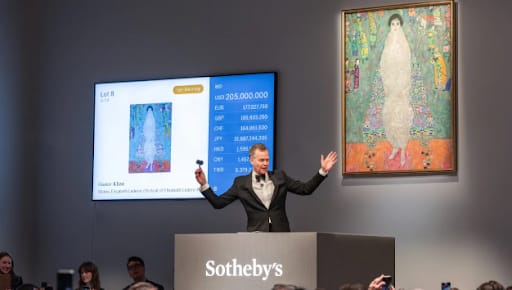
The WSJ just reported the highest price ever paid for modern art at auction.
While equities, gold, bitcoin hover near highs, the art market is showing signs of early recovery after one of the longest downturns since the 1990s.
Here’s where it gets interesting→
Each investing environment is unique, but after the dot com crash, contemporary and post-war art grew ~24% a year for a decade, and after 2008, it grew ~11% annually for 12 years.*
Overall, the segment has outpaced the S&P by 15 percent with near-zero correlation from 1995 to 2025.
Now, Masterworks lets you invest in shares of artworks featuring legends like Banksy, Basquiat, and Picasso. Since 2019, investors have deployed $1.25 billion across 500+ artworks.
Masterworks has sold 25 works with net annualized returns like 14.6%, 17.6%, and 17.8%.
Shares can sell quickly, but my subscribers skip the waitlist:
*Per Masterworks data. Investing involves risk. Past performance not indicative of future returns. Important Reg A disclosures: masterworks.com/cd
If you’ve read this far, why not see how else I can help you: